LED Facial Mask vs. Botox and Laser — Honest 2026 Comparison

LED mask vs. Botox and laser — What really works on wrinkles?
You are facing a decision: invest in an LED mask for home use, book Botox, or undergo a laser treatment? Each of these methods has its place in the anti-ageing arsenal — but they work completely differently, cost completely different amounts and carry fundamentally different risks. In this article we compare them without marketing buzzwords — just facts, prices and realistic expectations.
How each method works — briefly and without the fluff
Before we start comparing them, you need to understand what each method does at the biological level. They are not competitors — they are completely different tools for different problems.
LED mask — stimulation from within
An LED mask uses photobiomodulation (PBM) — specific wavelengths of light penetrate the skin and deliver energy to the cells. Red light (630 nm) stimulates fibroblasts in the dermis, which produce new collagen and elastin. The result: the skin gradually firms up, fine wrinkles smooth out, and skin texture and tone improve.
An LED mask does not destroy tissue — on the contrary, it builds it. It is a regenerative tool, not a destructive procedure.
(We wrote about the mechanism of action in more detail in the article How red light works on the skin.)
Botox — muscle paralysis
Botulinum toxin is a neurotoxin that temporarily blocks nerve signals to the facial muscles. The muscle stops contracting, which smooths the wrinkle above it. Botox does not produce collagen — it does not address skin quality, it only prevents the movement that creates the wrinkle.
The effect lasts 3–6 months, after which repeat injections are needed. Botox is most effective on dynamic expression lines — the forehead, the glabella (between the eyebrows) and crow's feet.
Laser — controlled damage
Laser treatments (fractional laser, CO₂ laser, IPL) work on the principle of controlled thermal damage. The laser creates micro-injuries in the skin, which triggers an intense healing response — the body produces new collagen to repair the damage. The result is firmer, smoother skin.
Laser is more aggressive than LED — it delivers faster results, but also significantly higher risks: redness, swelling, peeling, temporary sensitivity to the sun and, in rare cases, scarring or pigmentation changes.
The big comparison: LED mask vs. Botox vs. laser
Effectiveness on different types of wrinkles
Fine wrinkles and loss of firmness: This is where the LED mask excels. Red light stimulates collagen production gradually and naturally. Results are visible after 8–12 weeks of regular use. Laser brings faster results (4–6 weeks after a single treatment), but at the cost of recovery time. Botox does not work on fine wrinkles caused by collagen loss — it only addresses those caused by muscle movement.
Deep expression lines (forehead, glabella, crow's feet): Botox is king here — nothing else smooths a deep expression line as quickly and effectively. An LED mask softens these wrinkles more slowly and less markedly. Laser helps partially, but without paralysing the muscle the wrinkle returns with facial expressions.
Texture, tone and overall skin quality: The LED mask and laser are both strong. LED is gentler and slower, laser more forceful. Botox has no effect on skin texture — it exclusively addresses muscle movement.
Acne and inflammation: Only the LED mask. Blue light (460 nm) eliminates Cutibacterium acnes bacteria, red light calms inflammation. Neither Botox nor laser addresses acne.
Pain and comfort
LED mask: Zero pain. No contact with the skin other than placing the mask on. Most people describe it as “pleasant warmth” or “I don't feel anything”. You can lie down, relax or listen to a podcast during the session.
Botox: Needle injections into the face. Most patients rate it as “unpleasant but manageable”. Some doctors use a topical anaesthetic cream. It takes 10–15 minutes.
Laser: Depends on the type. IPL is mild, a fractional CO₂ laser is painful — local anaesthesia is often applied. It takes 30–60 minutes.
Recovery (downtime)
LED mask: None. Literally zero. After the treatment you can put on make-up and go to work or to a meeting. The skin is not damaged in any way.
Botox: Minimal — small bruises at the injection sites that disappear within 1–3 days. There is no need to take time off work.
Laser: This is where the biggest difference lies. A fractional laser means 3–14 days of recovery — redness, swelling, peeling skin. During healing you must stay out of the sun, and make-up is recommended only after the skin has healed. IPL has a shorter downtime (1–3 days), but also weaker results.
Risks and side effects
LED mask: Practically none when used correctly. LED light does not produce UV radiation, does not damage cell DNA and does not cause thermal injury. The only contraindications are photosensitising medication and certain skin diseases. (More in the article Safety profile of LED phototherapy.)
Botox: Risk of “frozen” facial expressions in case of overdosing or incorrect application. Rarely: drooping eyelid (ptosis), headaches, asymmetry. The effect is temporary — complications also wear off within 3–6 months.
Laser: The highest risk of the three. Burns, scars, post-inflammatory hyperpigmentation (especially in darker phototypes), infections, prolonged redness. It requires an experienced operator and correct device settings.
Price and long-term costs
LED mask: A one-off investment. A quality mask costs hundreds of euros, but then you use it for years with no further costs. No top-ups, no appointments, no refills. Broken down per treatment, it works out at cents per day.
Botox: €150–400 per session (depending on the number of zones and the country). It is repeated every 3–6 months. That is €400–1,600 a year. Over 5 years: €2,000–8,000. And when you stop, the wrinkles come back.
Laser: €200–2,000 per session (depending on the laser type and the treated area). Usually 2–6 sessions are recommended. In total €500–5,000 per course. Results last longer than Botox, but they are not permanent — repeat sessions are common.

When to choose what — an honest recommendation
An LED mask is for you if:
- You have fine wrinkles and a slight loss of firmness
- You want prevention — to start before wrinkles “harden”
- You do not want needles, pain or recovery time
- You are looking for a long-term solution without repeat payments
- You want to tackle several problems at once (wrinkles + acne + irritation)
- You prefer home treatment in your own time
Botox is for you if:
- You have deep expression lines on the forehead, between the eyebrows or around the eyes
- You want an immediate visible effect (results within 3–7 days)
- You accept repeat visits and costs every 3–6 months
- You are prepared for injections
Laser is for you if:
- You have significant skin damage (deep wrinkles, scars, pigmentation)
- You are willing to go through recovery
- You have the budget for a series of treatments
- You want more dramatic results faster
The best combination? All three
Dermatologists increasingly recommend a combined approach: an LED mask for daily maintenance and prevention, Botox for the deepest expression lines and laser once a year to reset texture. But if you have to choose just one method — and want to use it long-term, safely and without depending on a clinic — the LED mask is the foundation on which everything else can be built.
(We wrote in detail about how LED light builds collagen in the article LED mask for wrinkles.)
Frequently asked questions
Can I combine an LED mask with Botox?
Yes, and many dermatologists recommend it. Botox addresses expression lines, the LED mask addresses skin quality and firmness. After Botox, it is recommended to wait 24–48 hours before the first LED treatment so that the toxin can stabilise at the injection site.
Can I use an LED mask after a laser treatment?
Yes — red LED light even speeds up healing after laser. Many aesthetic clinics use LED therapy as part of their post-laser protocol to reduce redness and accelerate regeneration. Wait at least 48 hours after the laser and consult your doctor.
How much does an LED mask cost compared with 5 years of Botox?
A quality LED mask is a one-off investment of a few hundred euros. Botox costs €150–400 per session, 2–4× a year. Over 5 years, that is €2,000–8,000 compared with a one-off investment in an LED mask. On top of that, an LED mask also addresses acne and inflammation — Botox does not.
Does an LED mask work as well as laser on wrinkles?
For fine wrinkles and overall skin quality — yes, just more slowly. An LED mask is gentler, with no recovery time and no risks. For deep wrinkles and scars, laser has a stronger effect. It depends on what problem you are addressing and how much downtime you are willing to accept.
Will an LED mask replace professional aesthetic procedures?
For many people, yes — especially when it comes to prevention, fine wrinkles, acne and an overall improvement in skin quality. For deep expression lines and significant skin damage, Botox and laser remain important tools. However, an LED mask is the ideal foundation that reduces the need for invasive procedures in the future.
Conclusion: An LED mask is not the competition — it is the foundation
Botox and laser are reactive procedures — they address a problem once it already exists. An LED mask is proactive — it builds collagen, calms inflammation and protects the skin before problems appear. And unlike both procedures, you use it at home, without pain, without recovery time and without repeat payments.
If you are 25+ and want your skin to look as good in 5 years as it does today — an LED mask is the most sensible investment you can make. If you already have deeper wrinkles, the combination of LED + Botox gives better results than Botox alone.
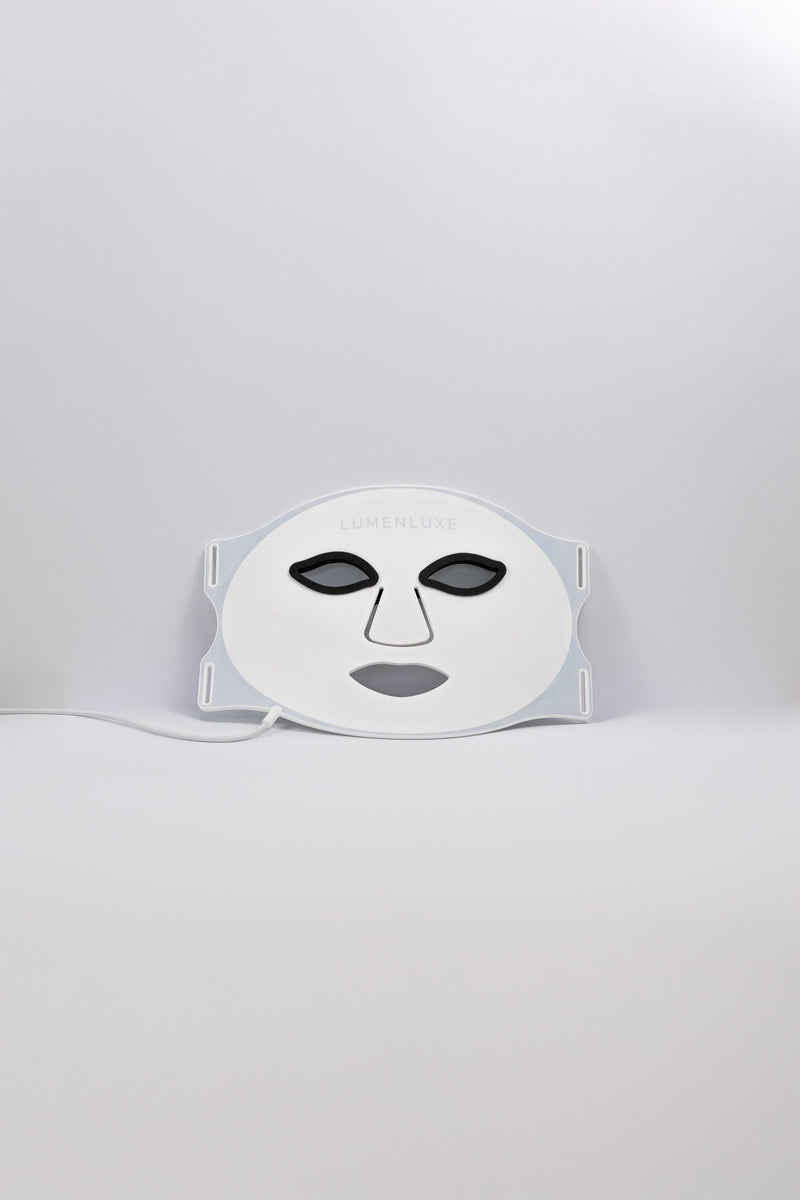
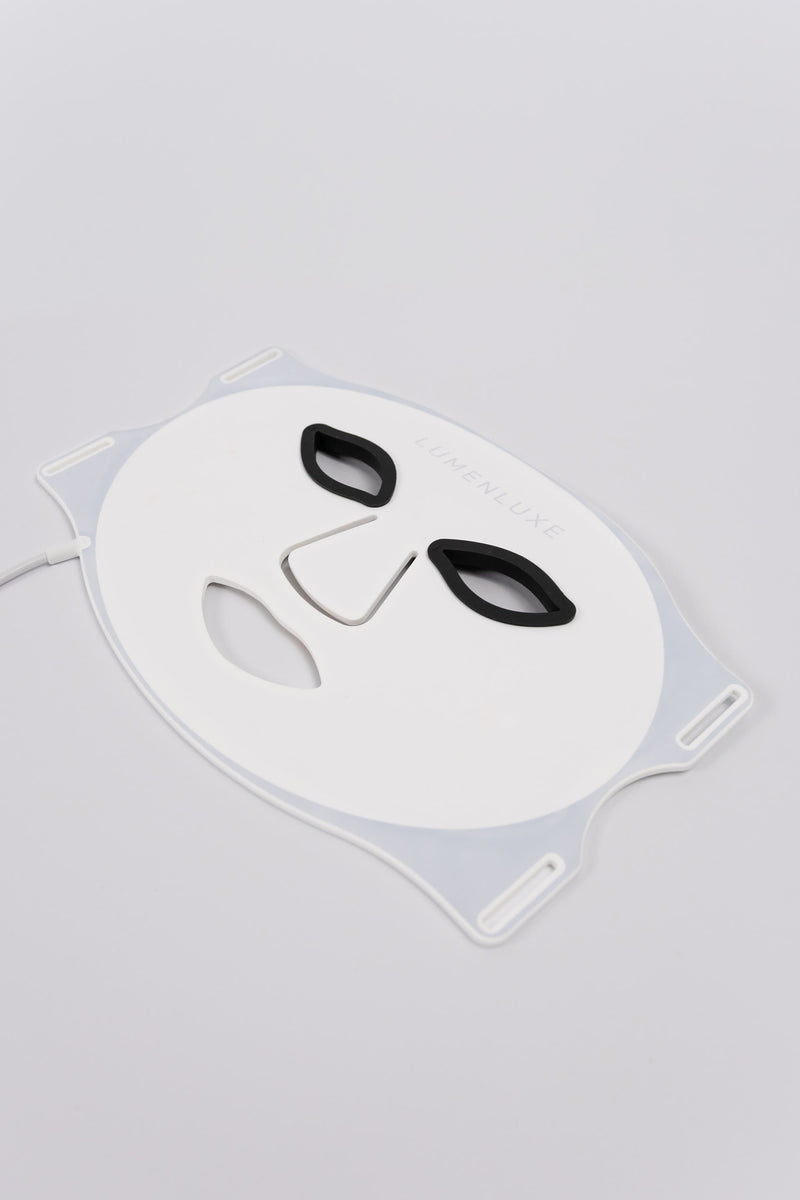
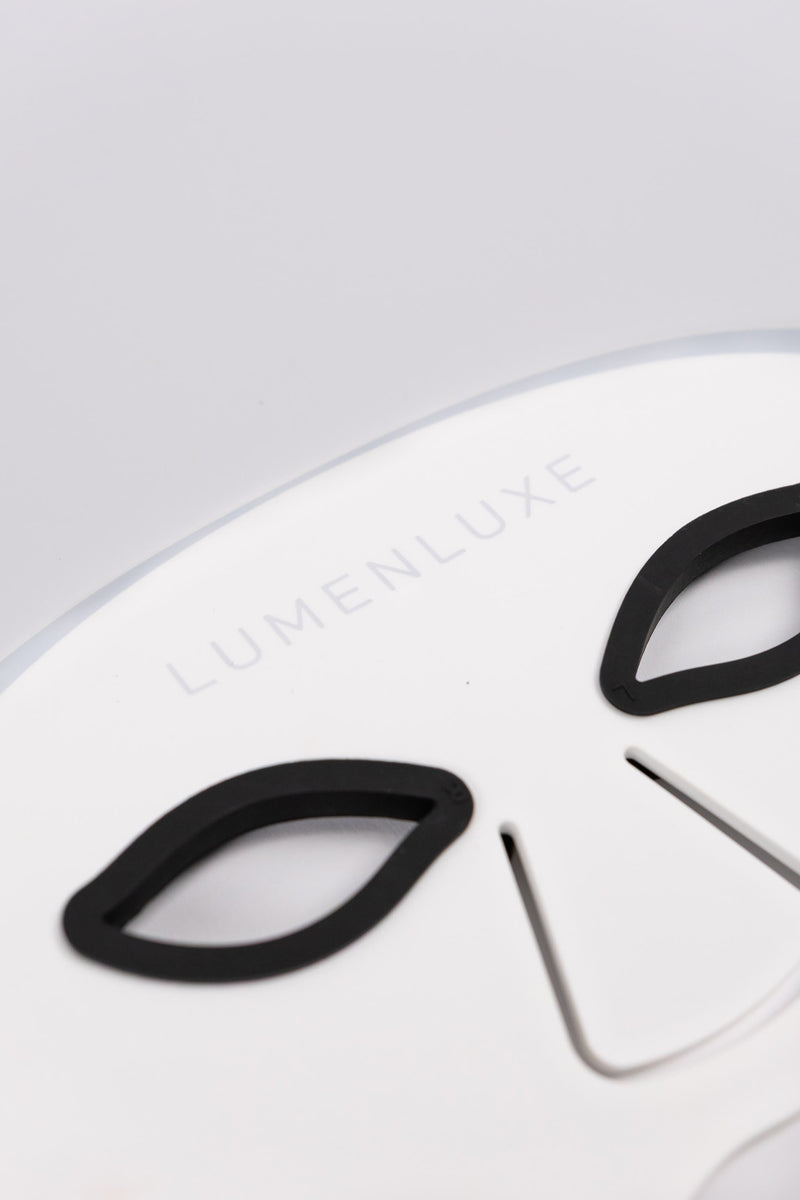
Take a look at the LumenLuxe LED mask — red + blue light, 60-day satisfaction guarantee, recommended by dermatologists.