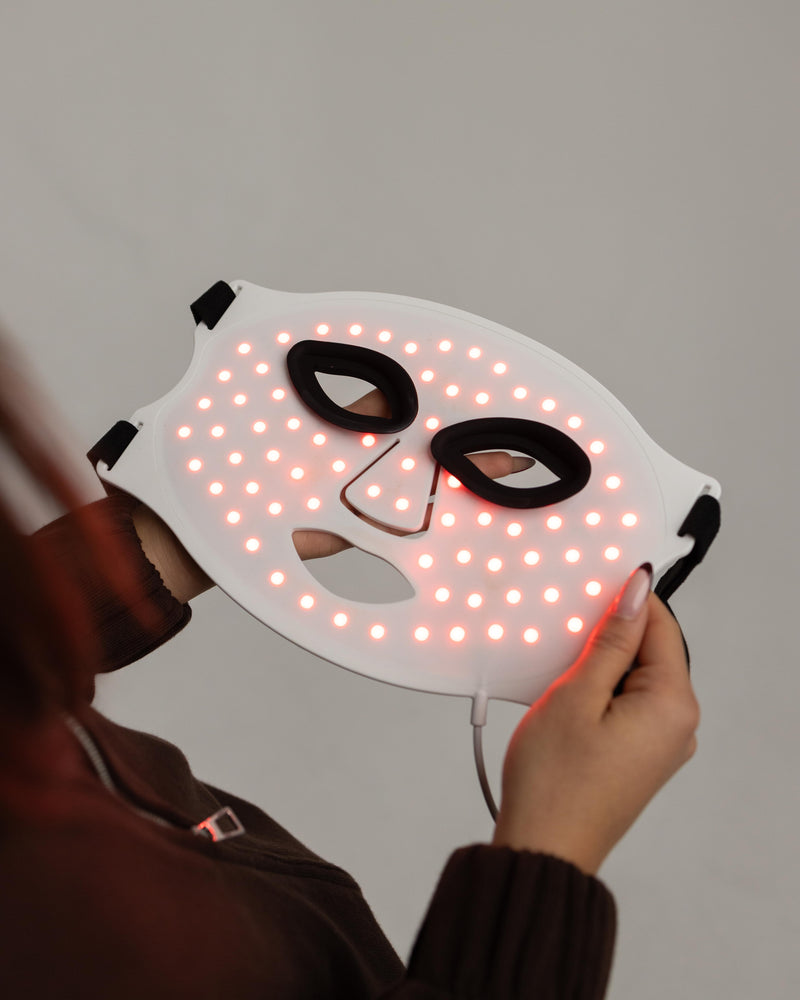
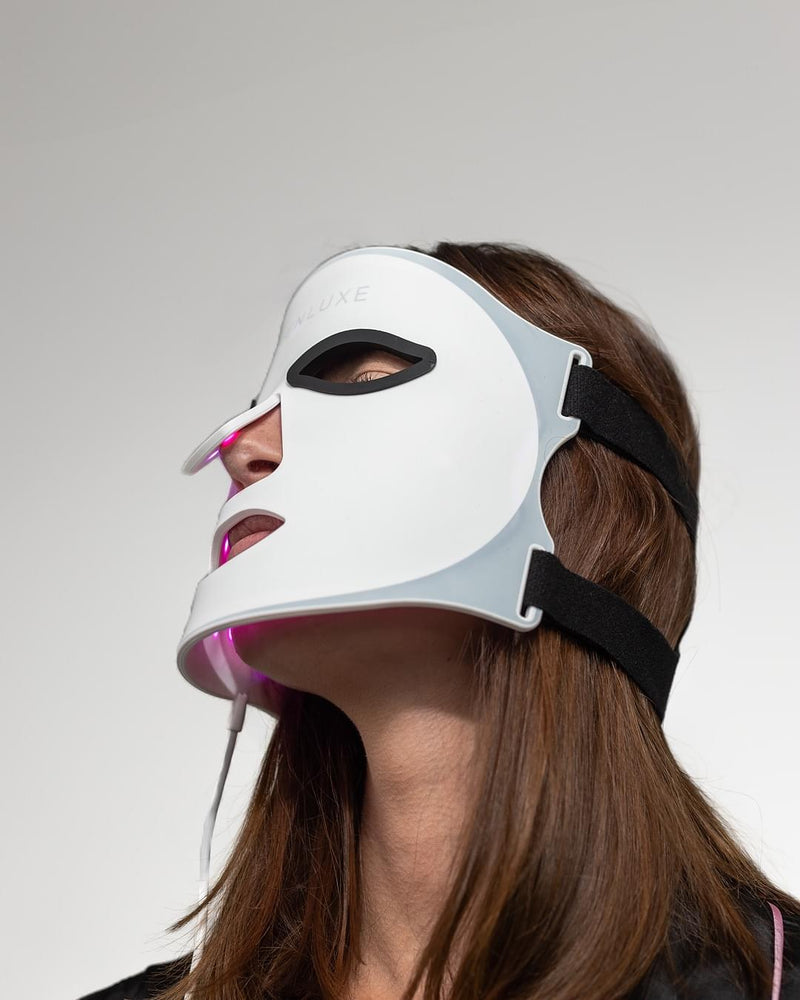
Safety profile and long-term effects of LED phototherapy

This study is among the frequently cited papers used to define the safety of modern LED devices in dermatology. It looks at how LED therapy differs from harmful UV radiation.
Study title:
“Phototherapy with Light Emitting Diodes (LED): Treating a Broad Range of Medical and Aesthetic Conditions in Dermatology.” (Phototherapy with Light Emitting Diodes: Treating a Broad Range of Medical and Aesthetic Conditions in Dermatology)
1. Aim of the study
Dr. Ablon focused on a comprehensive assessment of the safety of LED technology across various wavelengths (415 nm, 633 nm, 830 nm) and a broad range of medical and aesthetic applications.
2. The key difference: LED vs. UV radiation
One of the most important points of the study is the clear separation of LED therapy from dangerous UV radiation:
UV radiation (sun/tanning beds): It has a short wavelength that damages cellular DNA, causes photoageing and increases the risk of cancer.
LED therapy: It uses wavelengths of visible light that contain no UV component. The study states that LED light at the doses used does not cause DNA mutations.
3. Inclusivity for different phototypes (Fitzpatrick scale)
Many laser treatments are not suitable for darker skin phototypes (high risk of pigmentation). The study states that LED therapy is suitable across the entire range of the Fitzpatrick scale (I to VI), without the research recording the problems typical of more invasive methods.
Finding: In patients with darker skin (types IV-VI), no post-inflammatory hyperpigmentation or thermal damage was observed within the cases followed — a significant difference compared with many laser methods.
4. The concept of “non-thermal” therapy
Unlike invasive lasers, which work on the basis of controlled thermal damage to tissue, LED therapy is non-thermal.
The light from an LED mask does not heat tissue to a dangerous level.
The light energy is absorbed directly by cellular receptors and is not converted into heat.
Result: No burns, no redness, no downtime — when used correctly.

5. Main conclusions for long-term use
Dr. Glynis Ablon's study summarises the research in these points:
Favourable safety profile: No serious adverse effects were recorded within the cases followed.
Long-term sustainability: Regular application of light can lead to an improvement in the skin's barrier function.
Broad-spectrum use: Besides aesthetics (wrinkles, acne), the study also summarises the use of LED therapy for inflammatory conditions such as rosacea and scar healing.
Lead author: Dr. Glynis Ablon, MD, FAAD (Ablon Skin Institute and Research Center, Manhattan Beach, California). Published: The Journal of Clinical and Aesthetic Dermatology, 2018, volume 11, pp. 21–27.