LEDs in dermatology: How light modulates inflammatory processes

A detailed look: Red light as a biological regulator of inflammation (Barolet et al.)
The study by Dr. Daniel Barolet and his team — “Regulation of Skin Collagen Metabolism In Vitro Using a Pulsed 660 nm LED Light Source”, published in the Journal of Investigative Dermatology (2009).
1. What are “cytokines” and why do they matter?
To understand this study, you need to know about cytokines. They are small proteins that act as “messengers” in our body. When the skin is irritated (by the sun, cosmetics, acne or illness), the body produces pro-inflammatory cytokines, which cause redness, swelling and pain.
Dr. Barolet's finding: Red light (630 nm) influences the activity of these “messengers”. The study shows that instead of triggering inflammation, light can support the production of anti-inflammatory cytokines.
2. The concept of “biomodulation”
In his research, Barolet uses the term biomodulation. The observation is that red light does not burn cells (like a laser) or destroy them, but “modulates” their behaviour — it calms a cell under stress and activates a dormant cell to produce collagen.
3. Protection against UV radiation (photoprophylaxis)
One of the interesting directions of research in this field is that treatment with red light before exposure to the sun (UV radiation) can reduce subsequent redness and irritation of the skin. The exact extent of this effect varies between studies.

4. A solution for sensitive skin and rosacea
For people with rosacea or extremely sensitive skin, many procedures are off-limits. Research in this field suggests:
Reduced erythema (redness): Red light can help calm blood circulation in the face and reduce the visibility of dilated capillaries.
Support for healing: Several studies suggest that LED therapy used after more invasive procedures (e.g. dermabrasion, laser) can support faster healing and reduce discomfort — the exact percentage depends on the specific study and procedure, which is why we deliberately do not state it.
5. Main conclusions
Research in this field (Barolet and others) shows that 630 nm LED therapy is:
Suitable even for sensitive and reactive skin, where other methods may fail.
Being studied for chronic inflammation, which causes premature ageing (so-called “inflammaging”).
Non-invasive, because it does not use chemical substances but the biological response of the cells themselves.
Source: Barolet D, Roberge CJ, Auger FA, Boucher A, Germain L. Regulation of skin collagen metabolism in vitro using a pulsed 660 nm LED light source: clinical correlation with a single-blinded study. J Invest Dermatol. 2009.
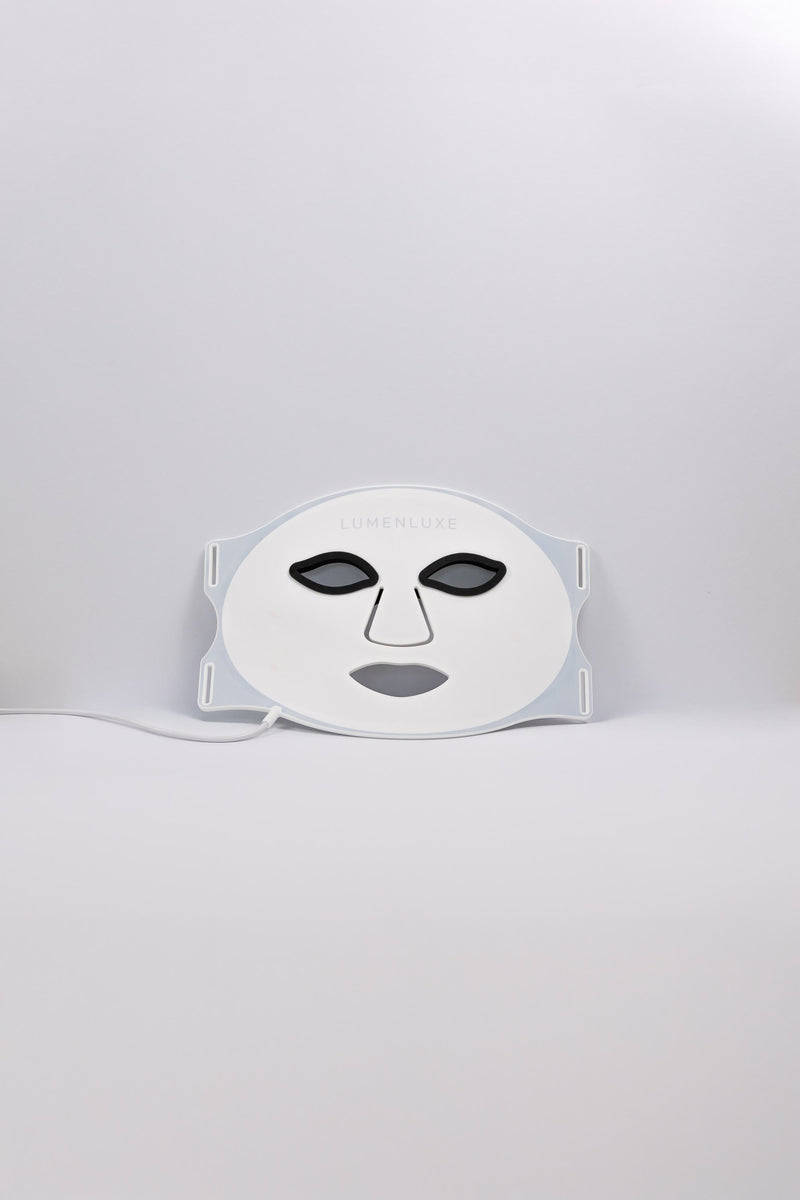
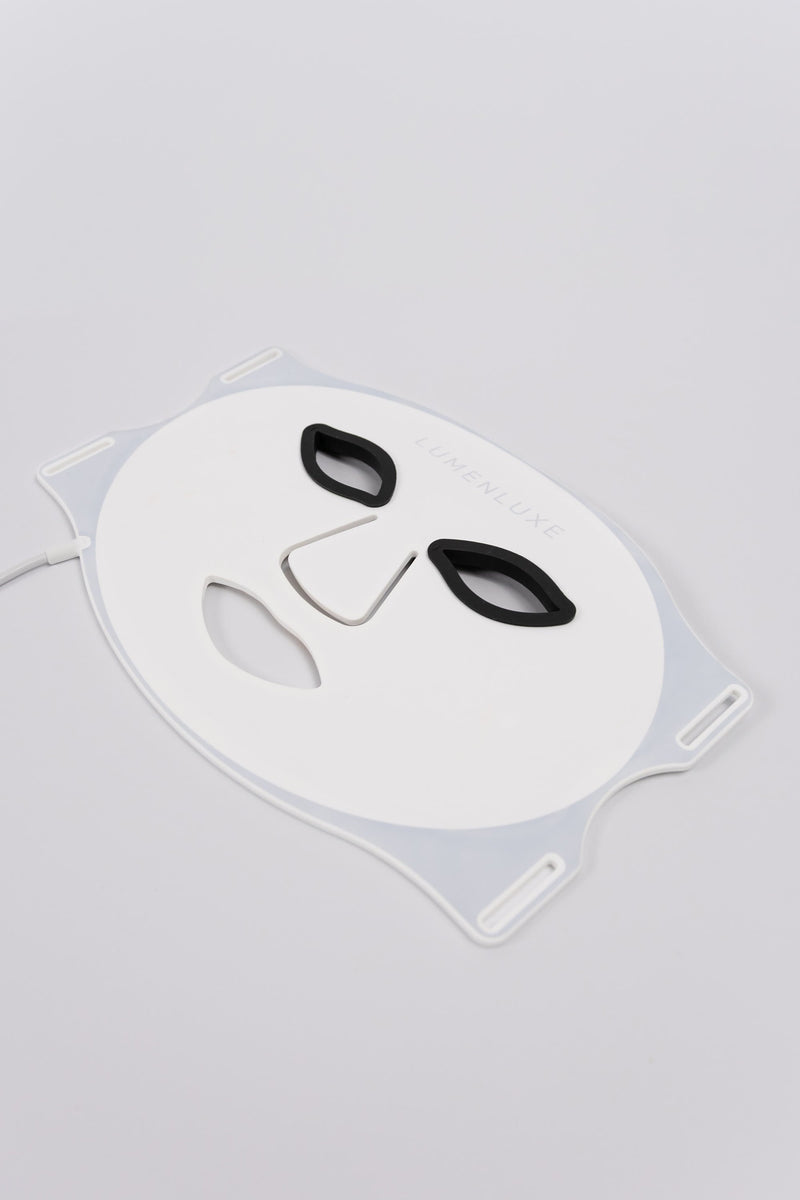
See the LumenLuxe LED mask, which uses 630 nm red light based on the same principle of photobiomodulation.