The Effect of Light-Emitting Diodes (LEDs) on Cellular Regeneration and Wound Healing

The study by a NASA team led by Dr. Harry T. Whelan is among the most cited papers in the history of LED therapy research. This research helped move light therapy from the category of experimental cosmetics towards a seriously researched biomedical technology.
Here is a detailed breakdown of this study:
A detailed look: NASA research on tissue healing (Whelan et al.)
1. The story behind the research: Why was NASA interested in light?
NASA was dealing with a specific problem: in microgravity conditions (in space), astronauts' wounds heal more slowly. Cellular metabolism is disrupted under these conditions. The researchers were looking for a way to stimulate cells into activity without using drugs, and found that specific wavelengths (especially red and near-infrared light in the range of approximately 630 – 670 nm) can partly compensate for this deficit.
2. What exactly did they find? (Accelerated cell growth)
Research by Dr. Whelan's team showed that exposing cells to red LED light affects their growth:
Cell proliferation: Under laboratory conditions, fibroblasts and muscle cells exposed to LED light multiplied considerably faster than cells without exposure — the published paper reports growth that was on the order of several tens of percent to more than 150% faster, depending on the cell type and the experimental conditions.
DNA synthesis: The light accelerated DNA synthesis, which is a fundamental process for the formation of new tissue and the repair of damaged skin.

3. The “cellular battery” mechanism (ATP)
The research described a process we now call photobiomodulation. Put simply:
Photons of light reach the mitochondria (the energy centres of the cell).
There they activate the enzyme cytochrome c oxidase.
The result is increased production of ATP (adenosine triphosphate) — the molecule that powers repair reactions in the cell.
Simply put: a cell with more available energy can respond faster to damage and inflammation.
4. Effect on growth factors
The study pointed out that light in this range influences the release of growth factors, which:
Support the formation of new blood vessels (angiogenesis).
Improve the supply of nutrients to the skin.
Help regenerate the skin barrier, which is important for maintaining hydration and protecting against external influences.
What this means for using an LED mask
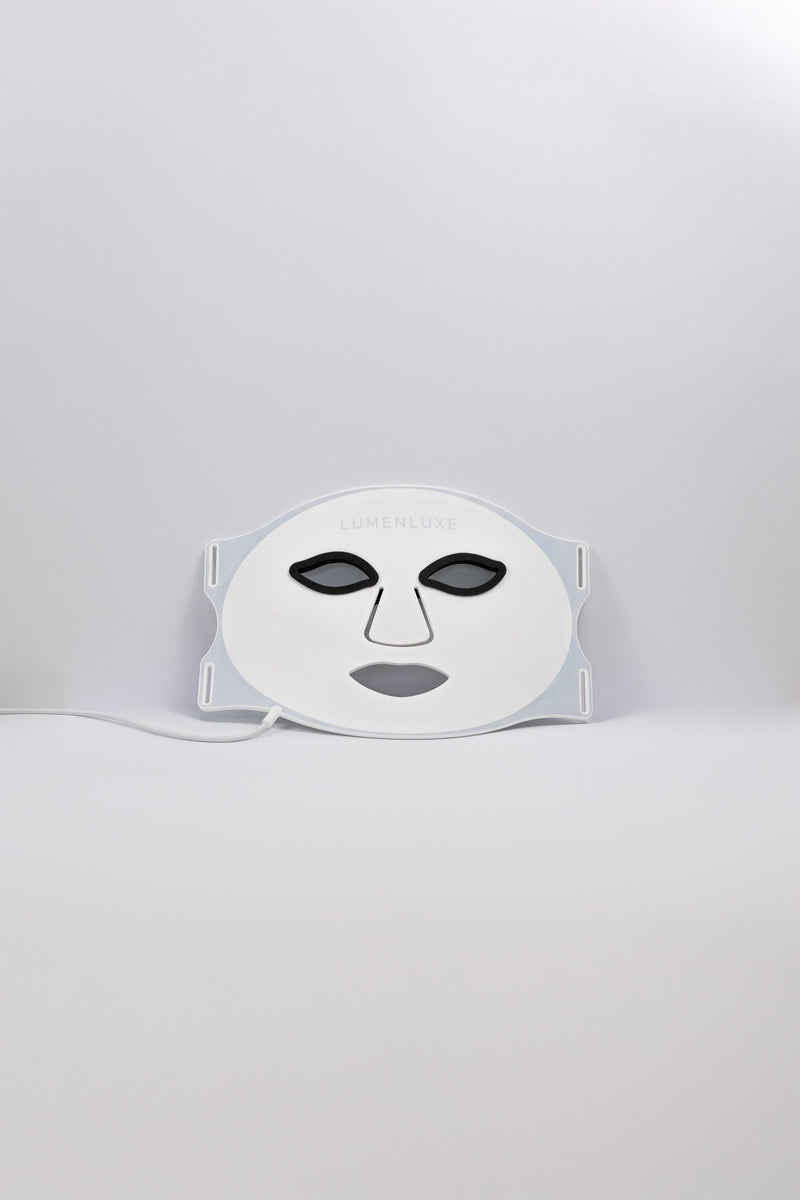
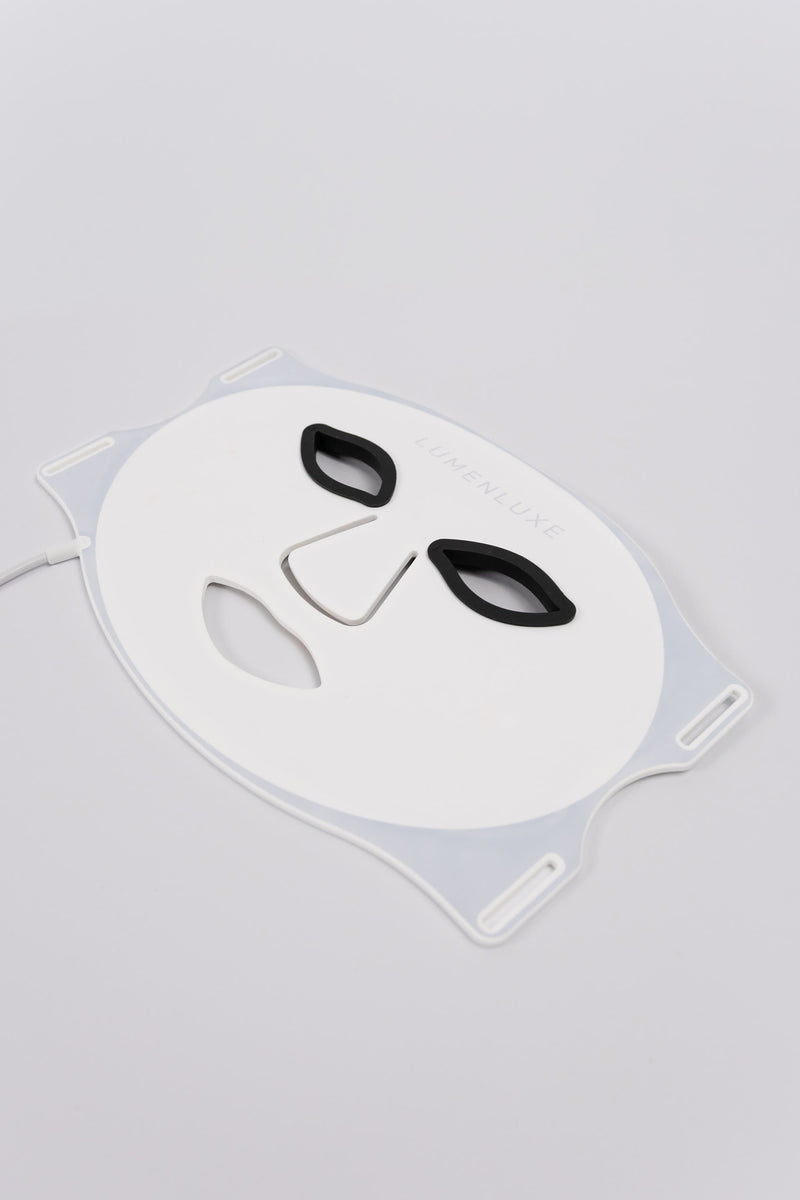
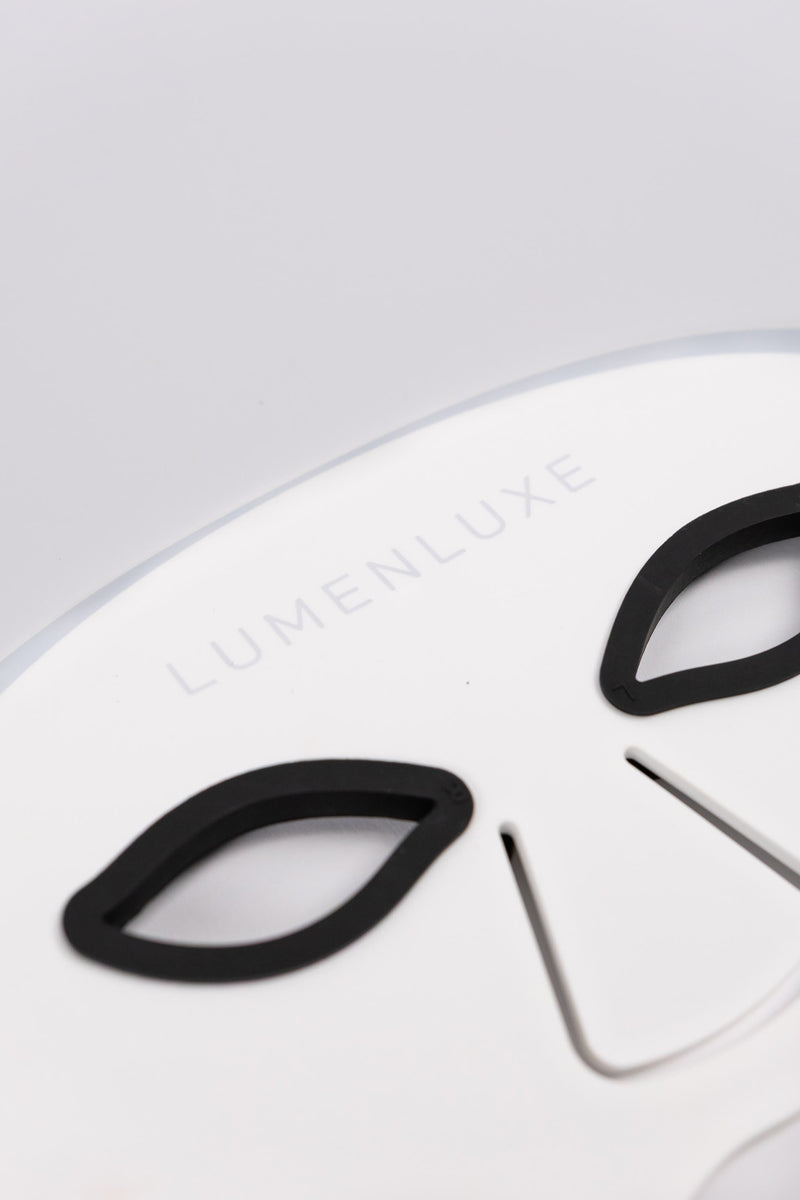
This type of research is the foundation on which today's commercial LED skin devices stand, including the LumenLuxe LED mask. The same principle — stimulating mitochondria with red light — is the reason why LED therapy is also recommended as supportive care after cosmetic procedures (e.g. microneedling, peels) and for the regeneration of weakened or dehydrated skin. The exact extent of accelerated healing varies from person to person and by type of procedure — before combining LED therapy with any procedure, consult a beautician or dermatologist.