How an LED Face Mask Works — Complete Guide: Effects and Results (2026)

The LED face mask is one of the fastest-growing beauty technologies of recent years. Dermatologists recommend it, celebrities use it, and thousands of women around the world are discovering its effects right at home. But how does it actually work? And what can you realistically expect?
In this guide we explain everything — from the science behind LED therapy to practical tips on how to achieve the best results.
What is an LED face mask?
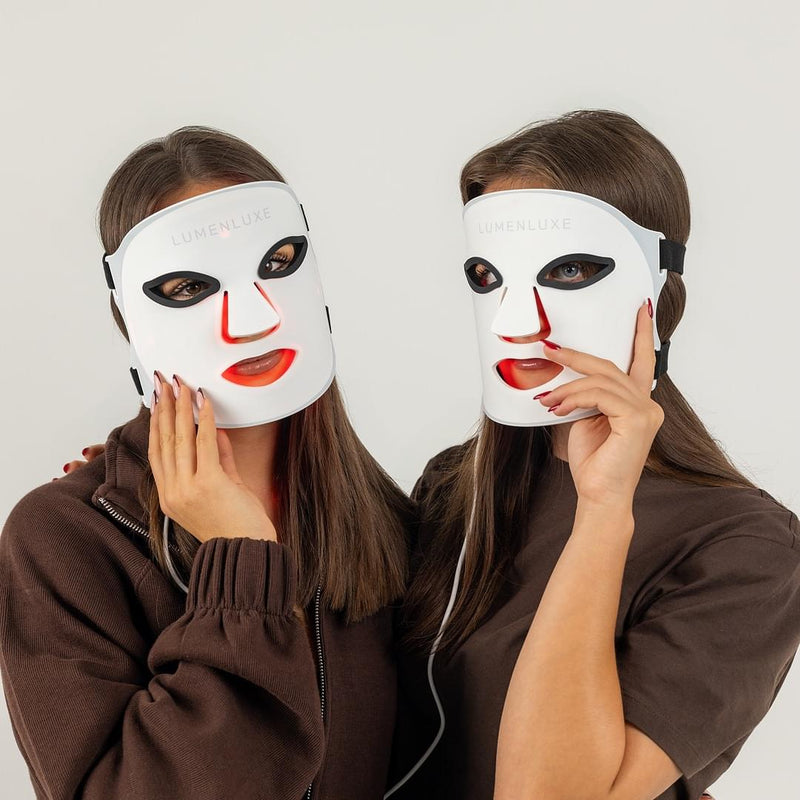
An LED face mask is a cosmetic device that uses light of different wavelengths to stimulate the skin. LED stands for Light Emitting Diode. Each colour of light has a different wavelength and penetrates the skin to a different depth, where it triggers specific biological processes.
Unlike laser treatments, LED therapy is non-invasive, painless and requires no recovery time. That is why you can use it comfortably at home, several times a week.
How does an LED face mask work?
When light of a certain wavelength penetrates the skin, it is absorbed by cells called chromophores. These cells convert the light energy into chemical energy, which triggers the skin's natural regenerative processes.
Put simply — light works like a "charger" for your skin cells. It stimulates them to do work they would normally do much more slowly.
Effects of the individual light colours
Red light (630 nm) penetrates deep into the dermis, where it stimulates fibroblasts — the cells responsible for producing collagen and elastin. The result is firmer, younger-looking skin with less visible wrinkles. Red light is the best-researched and most commonly recommended wavelength for anti-ageing care.
Blue light (460 nm) acts in the more superficial layers of the skin, where it destroys Cutibacterium acnes bacteria — the main culprit behind acne. At the same time, it reduces inflammation and soothes reddened skin. Clinical studies confirm that blue light significantly reduces active acne without side effects.
Green light (520 nm) targets melanocytes — the cells responsible for pigmentation. It helps even out skin tone and reduces dark spots and hyperpigmentation. Ideal for skin with an uneven tone after tanning or hormonal changes.
Yellow light (630 + 520 nm) is especially suitable for sensitive skin and rosacea. It soothes redness, reduces skin reactivity and supports the lymphatic system.
Purple light (630 + 460 nm) combines the effects of red and blue light — ideal for skin with acne and the first signs of ageing at the same time.
Cyan light (520 + 460 nm) deeply hydrates and soothes irritated skin. Suitable after sun exposure or for dry skin.
White light (630 + 520 + 460 nm) provides comprehensive skin renewal by combining all three basic wavelengths.

What results can you expect?
The results of LED therapy depend on how regularly you use it and on the type of skin concern you are addressing. Here is a realistic timeline:
After 2 weeks of regular use, most users notice improved skin hydration and a smoother skin surface. Active acne starts to subside.
After 4 weeks, many users see visible results on acne, skin tone evens out and the skin looks fresher.
After 8 weeks, results on wrinkles and skin firmness become more clearly visible in most regular users. The average rating of the LumenLuxe LED mask is 4.87 out of 5 stars from 112 verified customer reviews (Judge.me, verified purchases).
How to use an LED face mask correctly?
Step 1 — Wash your face thoroughly. Your skin must be clean, free of make-up, sunscreen or serum. Impurities and products block light from penetrating the skin.
Step 2 — Put on the mask and adjust the straps so that it fits closely to your face. The closer the mask is to the skin, the more effectively the light penetrates.
Step 3 — Choose the right light mode for your goal. Acne — blue light. Wrinkles and anti-ageing — red light. Overall renewal — white light.
Step 4 — Use it for 10 minutes, 3 to 5× a week. Do not exceed the recommended time — more is not always better.
Step 5 — After use, apply a moisturising serum or cream. After LED therapy, the skin is optimally prepared to absorb active ingredients.
Who is an LED mask suitable for?
An LED face mask is suitable for most women regardless of age or skin type. It is especially beneficial for women with acne or problem skin, first signs of ageing and wrinkles, uneven skin tone and pigment spots, dry or dehydrated skin, and sensitive skin prone to redness.
LED therapy is not suitable for pregnant women, people with epilepsy, people taking photosensitising medication and people with active skin diseases such as lupus.
Why choose the LumenLuxe LED mask?
The LumenLuxe LED mask was born from the founders' personal experience with LED therapy. The goal was to make a technology similar to the one dermatologists use accessible — at an affordable price and for use at home.
LumenLuxe contains 210 high-quality LEDs in 7 light colours. It holds CE, RoHS and FC certificates. The price of €199 is a fraction of what you would pay for the same treatments at a beauty salon.
Frequently asked questions
Is an LED face mask safe? Yes. LED therapy is a non-invasive and clinically proven method with no side effects when used correctly. LumenLuxe holds CE, RoHS and FC certificates.
When will I see the first results? The first results are visible after 2 weeks of regular use. More significant changes occur after 4 to 8 weeks.
How many times a week should I use the LED mask? We recommend 3 to 5× a week, 10 minutes per session.
Can I use the LED mask together with other beauty products? Yes, LED therapy combines very well with vitamin C, hyaluronic acid and retinol. Apply the products only after the LED session for better absorption.
Does LED therapy hurt? No, LED therapy is completely painless. You may feel a gentle warmth during the session.
Does the LED mask also work on the body? The LumenLuxe LED mask is designed for the face. Special LED panels exist for the body.
How long does the LED mask last? The LEDs in the LumenLuxe LED mask have a lifespan of more than 50,000 hours, and the mask is covered by a 2-year warranty.